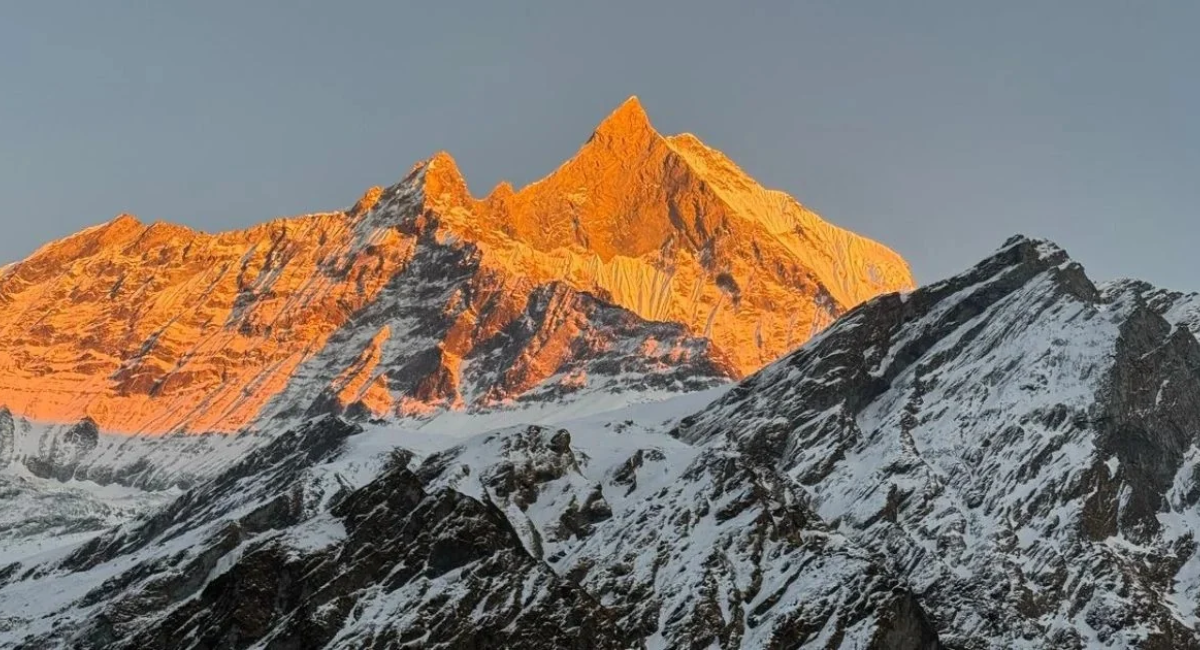

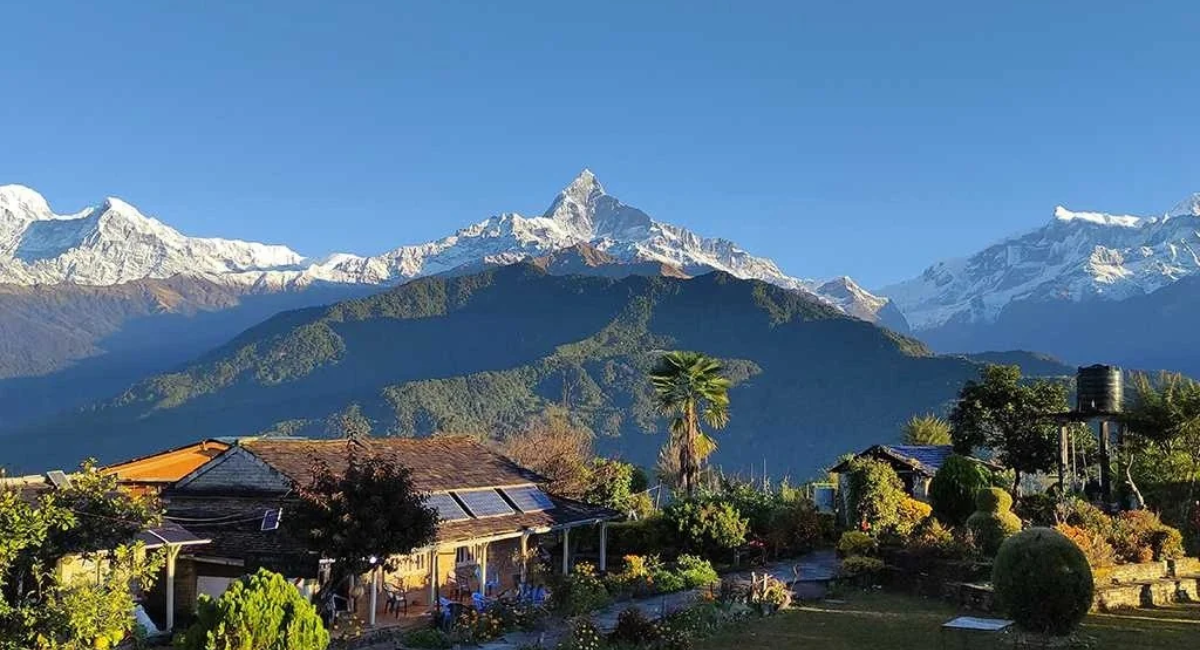
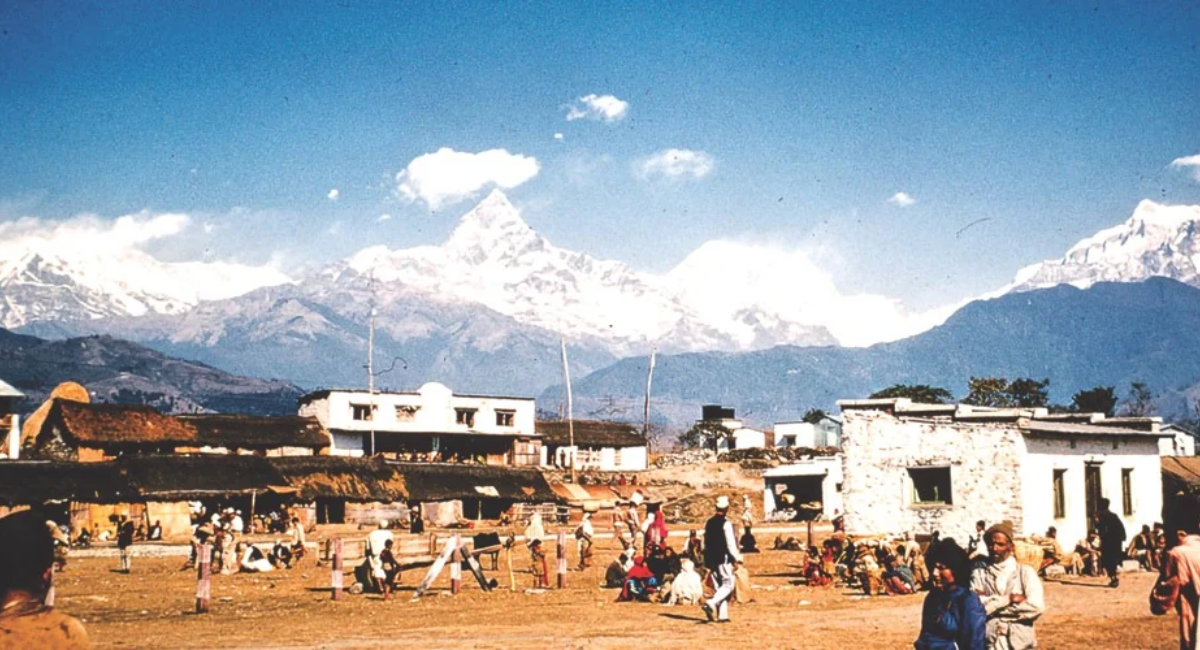
– Malla Period and Trade Centre(मल्लकाल र व्यापार केन्द्र): Between the 12th and 18th centuries, Pokhara emerged as an important marketplace for trading salt, wool and other goods because of its location along the trade route between India and Tibet. These commercial exchanges enriched the city’s cultural diversity.
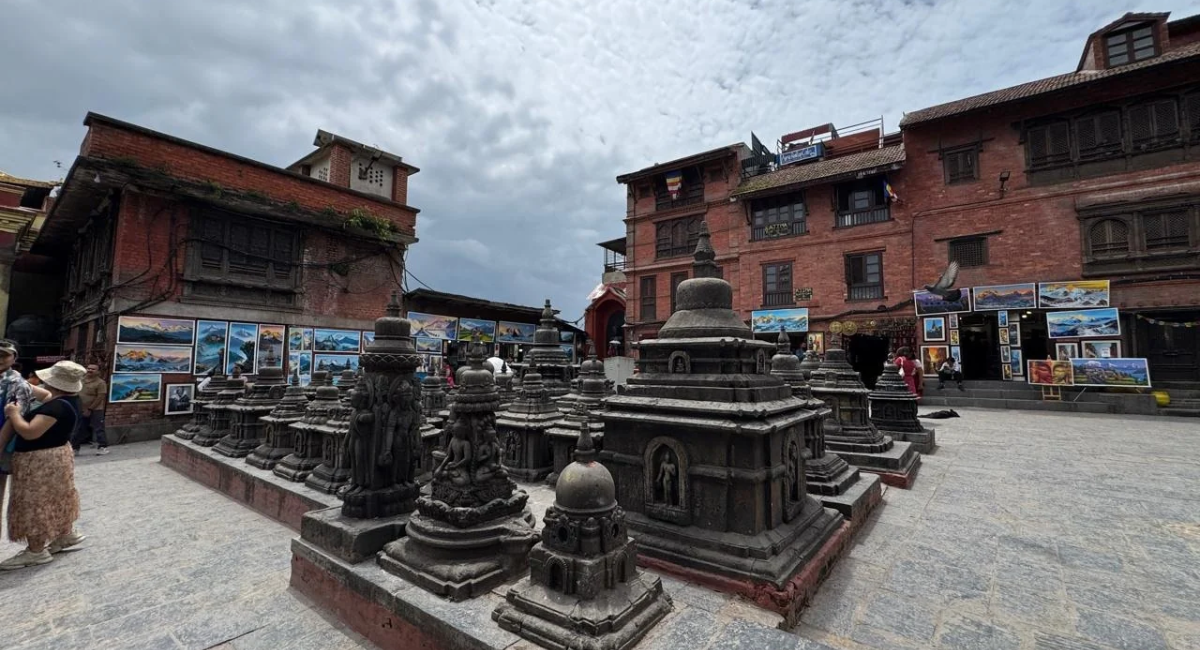
– Shah Dynasty and Unification(शाह वंश र एकीकरण): In the mid-18th century, Pokhara became part of the Gorkha Kingdom during Prithvi Narayan Shah’s unification campaign. Its development as a centre of agriculture and trade continued thereafter.
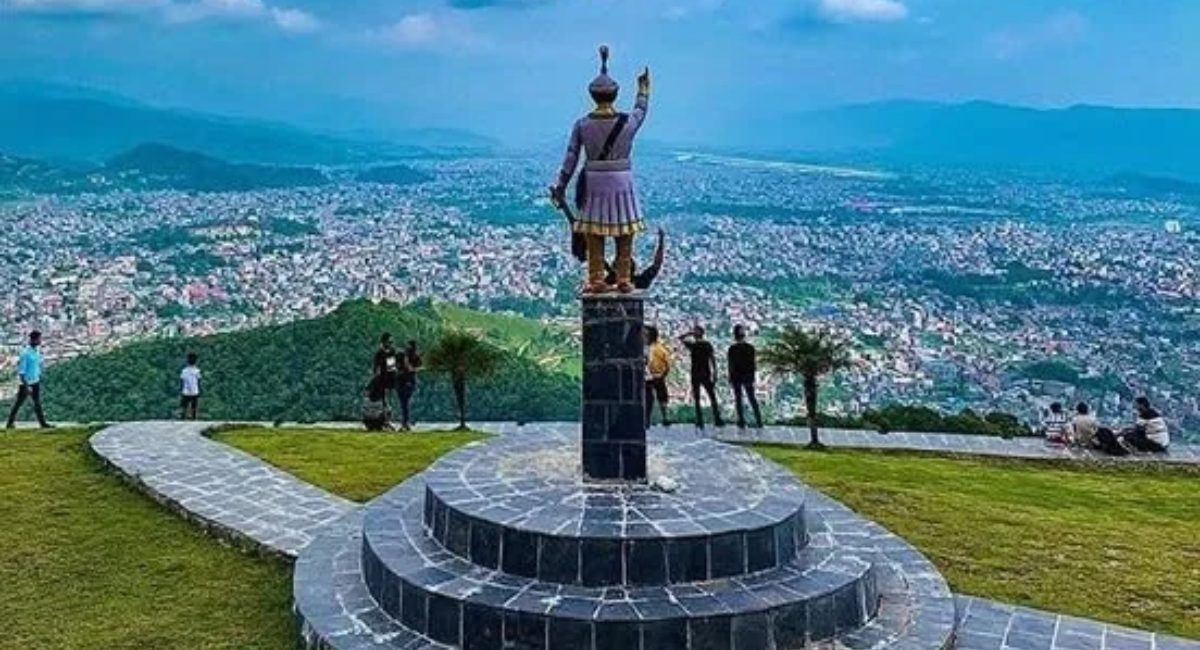
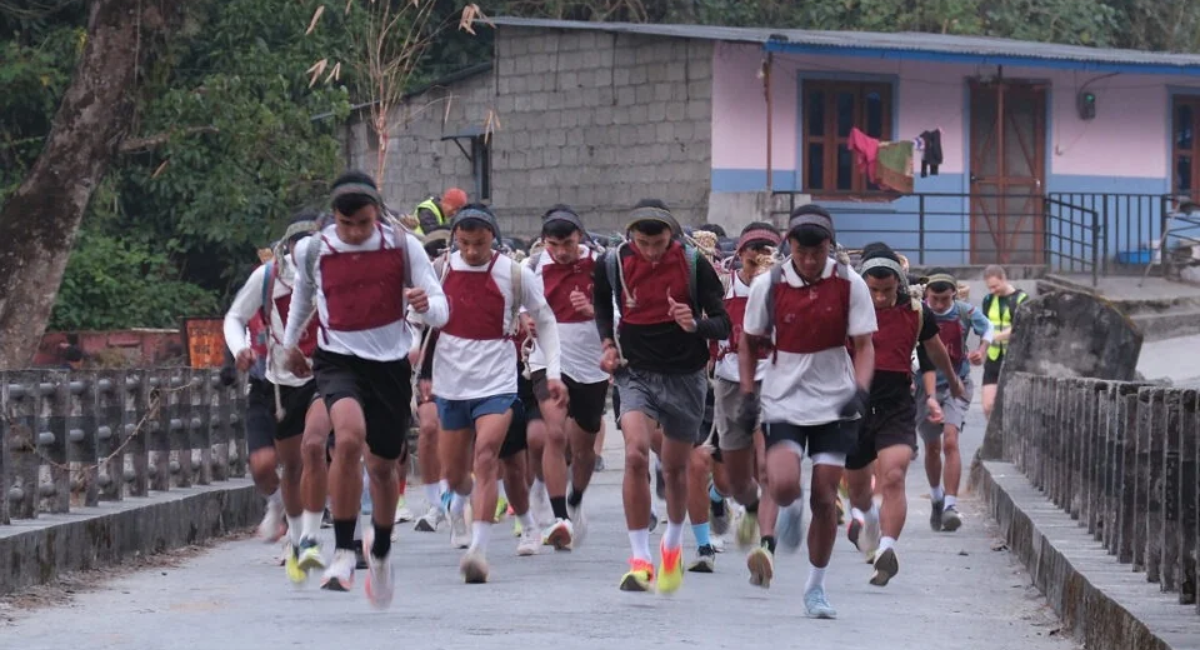
– Gurkha Recruitment and Modern Development(गोर्खा भर्ती र आधुनिक विकास): Following the Nepal–British War of 1814–1816, Pokhara became a major centre for British Gurkha recruitment. After Nepal opened up to the outside world in the 1950s and the Siddhartha Highway was constructed in the 1960s, Pokhara emerged as one of the world’s prominent tourist destinations.
Major Tourist and Religious Attractions(प्रमुख पर्यटकीय तथा धार्मिक स्थलहरू)
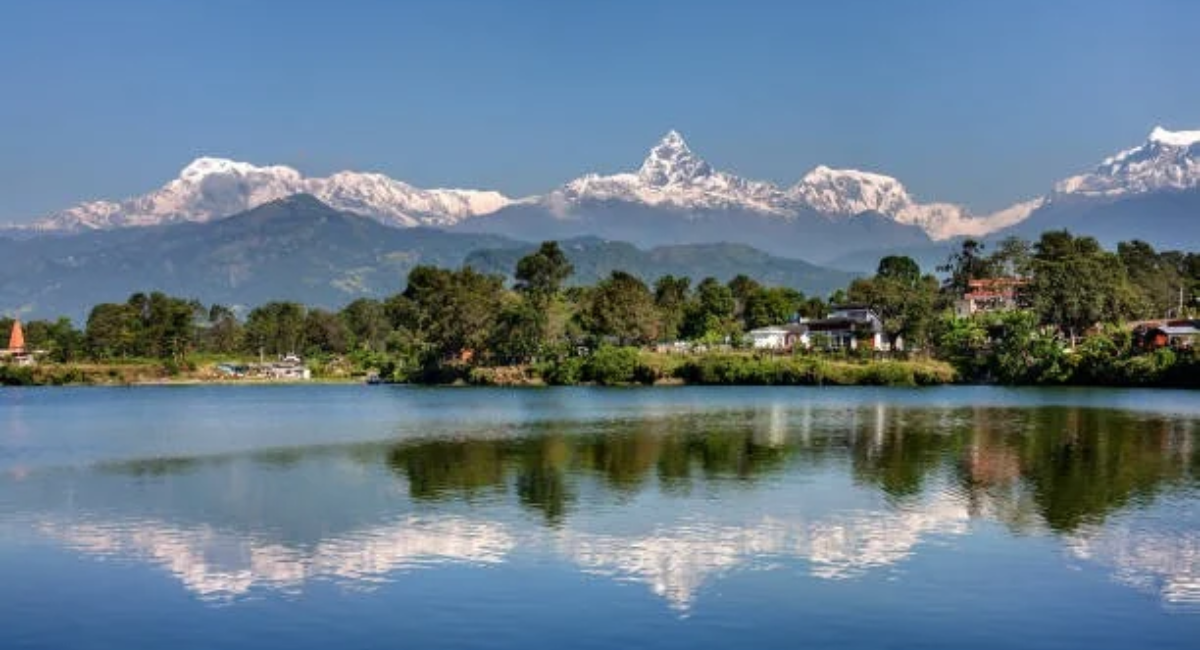
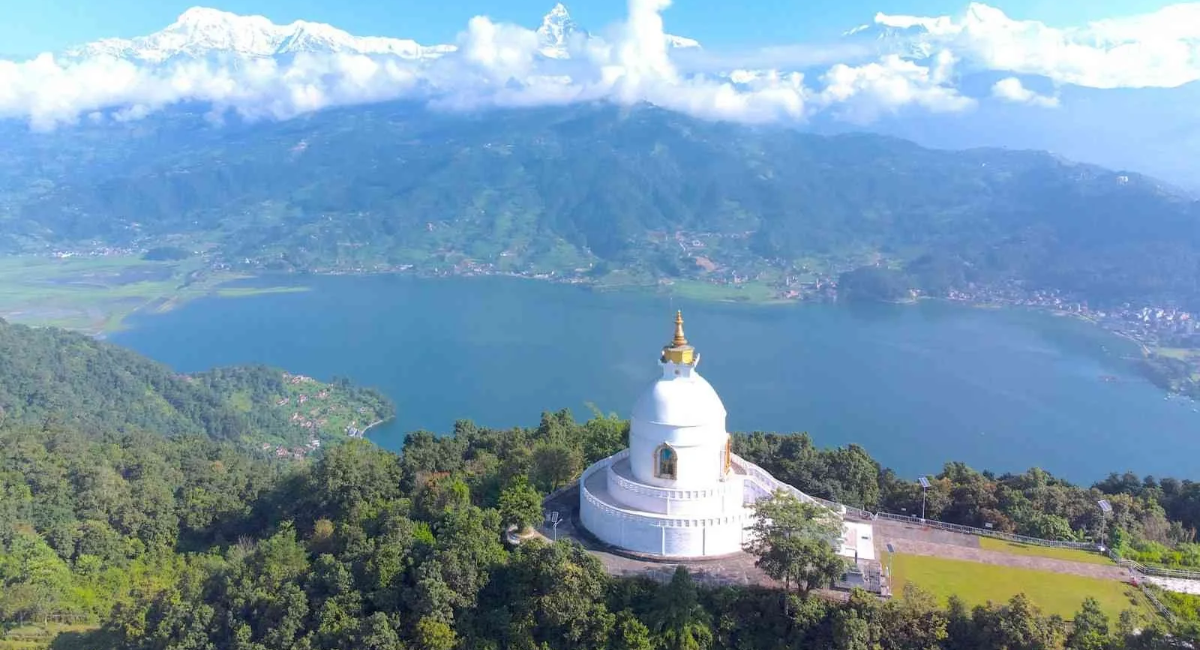
– Phewa Lake(फेवा ताल): Nepal’s second-largest lake, Phewa Lake is famous for the reflection of Mount Machhapuchhre on its waters and boating activities.
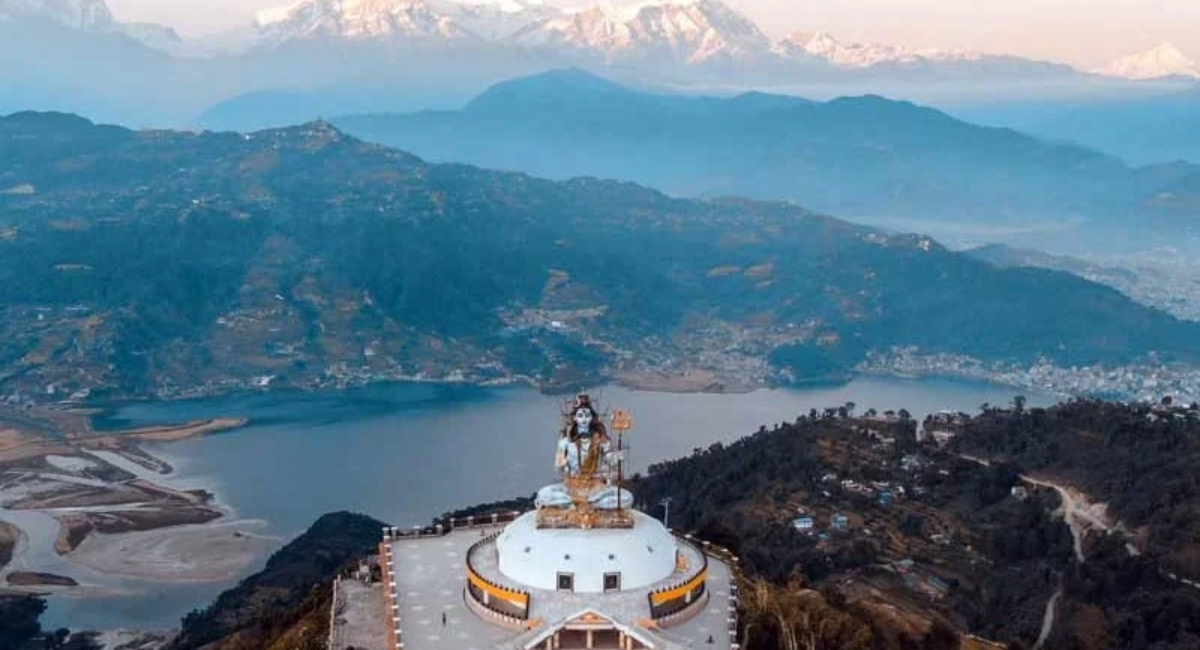
– Sarangkot and Pumdikot(सारङकोट र पुम्दीकोट): Located at an altitude of approximately 1,600 metres above sea level, Sarangkot is famous for its sunrise views and panoramic sights of the Himalayan range. Similarly, Pumdikot, situated at an elevation of 1,500 metres, features a giant statue of Lord Shiva and a popular viewpoint.
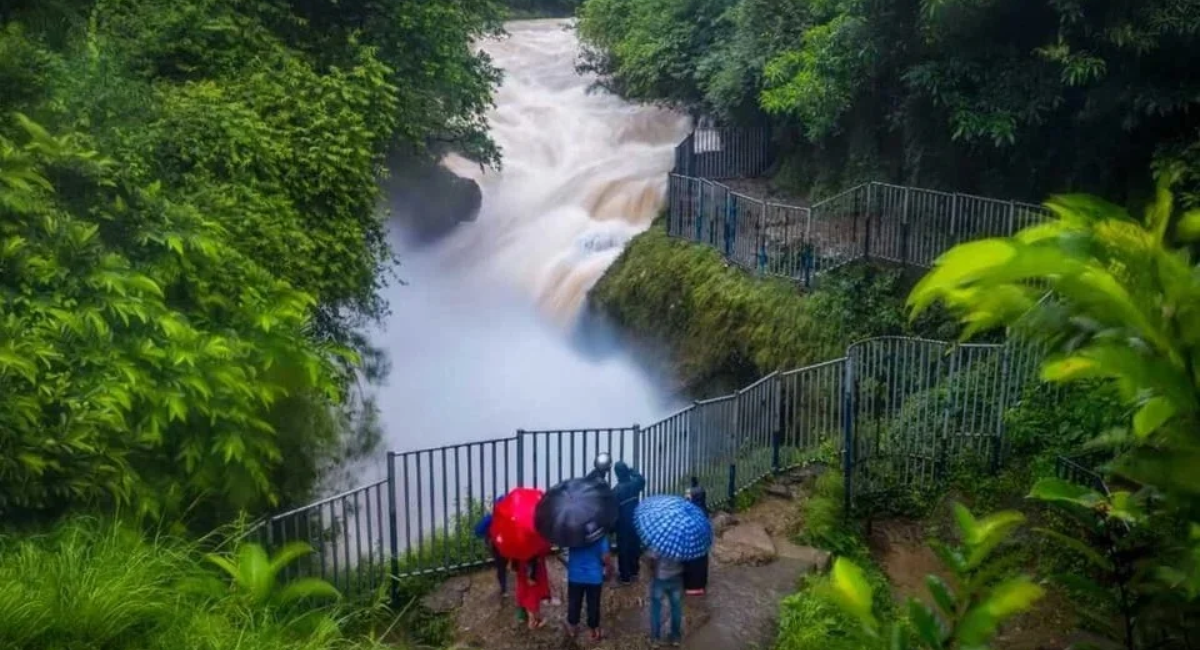
– Patale Chhango (Devi’s Falls) and Gupteshwor Cave(पाताले छाङ्गो (देवीको झरना) र गुप्तेश्वर गुफा): Patale Chhango, also known as Devi’s Falls, is a major attraction where water flowing from Phewa Lake disappears underground through a tunnel. Directly opposite the waterfall is Gupteshwor Mahadev Cave, which is approximately three kilometres long.
– World Peace Pagoda and Bindhyabasini Temple(विश्व शान्ति प्यागोडा र विन्ध्यवासिनी मन्दिर): The World Peace Pagoda, located on a hill above Phewa Lake, is known for its peaceful surroundings and Himalayan views. Meanwhile, Bindhyabasini Temple, situated on a hill in the old marketplace area, is an important religious destination for both locals and tourists.
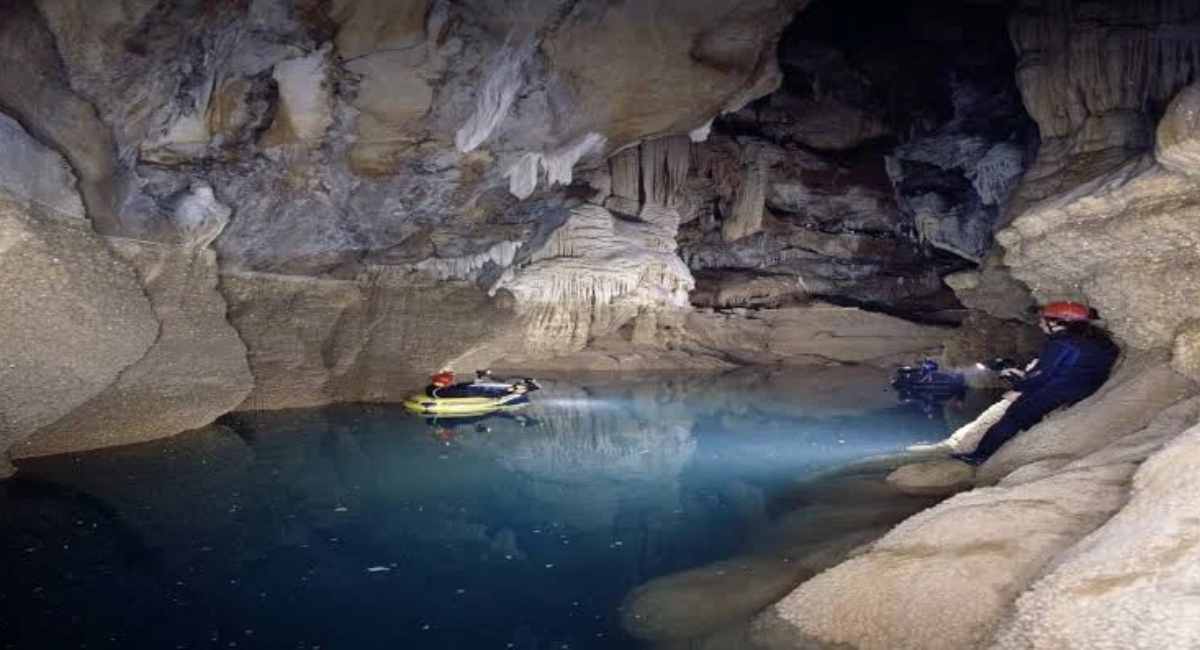
– Other Lakes, Caves and Museums(अन्य तालहरू, गुफाहरू र सङ्ग्रहालयहरू): Mahendra Cave, formed in limestone, lies in the northern part of Pokhara. To the east are the peaceful Begnas and Rupa lakes. The International Mountain Museum, which showcases the history of mountaineering, is another major attraction.
A Gateway to Adventure Sports and Trekking(साहसिक खेलकुद र पदयात्राको प्रवेशद्वार)
Pokhara is a hub for adventure activities such as paragliding, zip-lining, bungee jumping, ultralight flights and mountain biking.
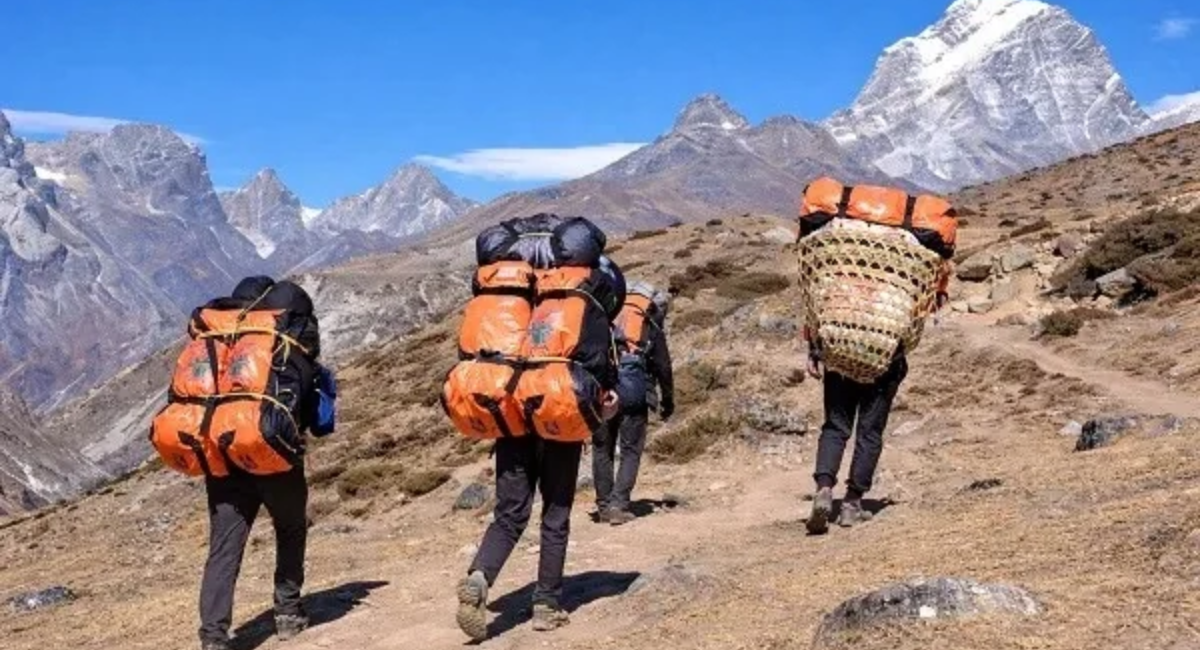
The city also serves as the main gateway for trekkers heading to Ghandruk, Ghorepani Poon Hill, Annapurna Base Camp, Mardi Himal, the Annapurna Circuit and Mustang.
The Annapurna Mountain Range(अन्नपूर्ण पर्वत शृङ्खला)
Stretching across an area approximately 55 kilometres north of Pokhara, the Annapurna mountain range includes Annapurna I (8,091 metres), the world’s tenth-highest mountain, along with Annapurna II, III and IV, Gangapurna, and the sacred Mount Machhapuchhre, which is closed to climbing.