
Nepal Successfully Tests Homegrown Cell Broadcast System, Marking New Step in Disaster Early Warning
Subtitle: The locally developed technology will deliver instant emergency alerts to mobile phones without requiring phone numbers or internet access, with plans for nationwide expansion.
Nepal has completed the initial technical test of its locally developed cell broadcast system at Nepal Telecom’s technical testing building in Balambu, Kathmandu. The test was conducted in coordination with the Ministry of Information and Communications, the Ministry of Home Affairs, the Nepal Telecommunications Authority and Nepal Telecom. Home Minister Sudan Gurung and Minister for Communications and Information Technology Bikram Timilsina were present during the test.
How Does the System Work?
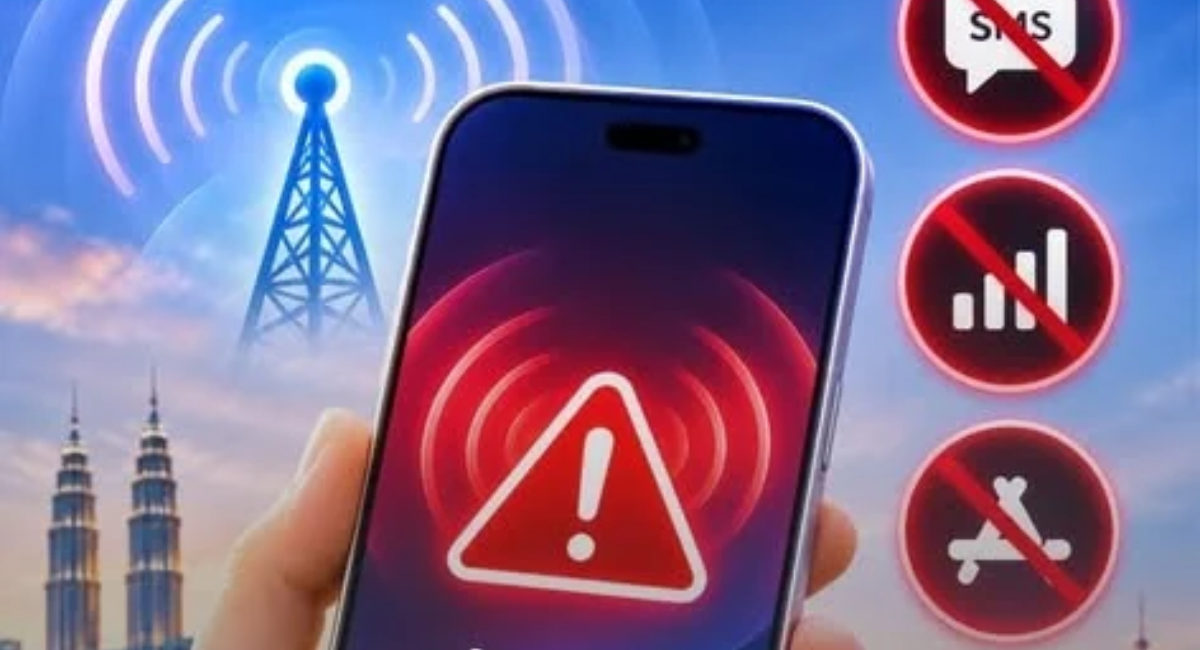
– The technology sends emergency alerts simultaneously to mobile phones within the coverage area of a specific mobile tower without requiring individual phone numbers or internet data.
– Even when a phone is in silent mode or has no balance, an automatic pop-up message appears on the screen as long as the device is switched on. It also triggers a loud warning sound and vibration.
– The system works even on conventional 2G networks. During the Balambu test, alert messages were sent in both Nepali and English.
– Alerts can be transmitted only through mobile towers covering designated high-risk areas, preventing unnecessary panic in other locations.
– Since the system does not collect users’ personal phone numbers or confidential information, both domestic and foreign tourists can receive alerts when they enter vulnerable areas.
Past Challenges and Future Plans
Past experiences of floods and other disasters, including incidents in the Bhote Koshi riverside areas, have highlighted the serious consequences of delayed warnings and network congestion, which have contributed to significant losses of lives and property.
The new system is expected to address the limitations of conventional SMS services, which send messages sequentially and can cause delays. Unlike ordinary SMS alerts, which produce only a small notification sound that sleeping people may not notice, the cell broadcast system delivers prominent warnings.
In the next phase, the system will be tested through Ncell’s network in Pokhara. Following that, plans are in place to expand it to flood-prone riverside areas, including the Bhote Koshi, Koshi, Narayani and Karnali river basins, before extending it nationwide.
International Practices and Other Preparations
Several countries are already using cell broadcast technologies for disaster early warnings. These include Wireless Emergency Alerts in the United States, EU-Alert in European Union countries, J-Alert in Japan and the public safety alert system in South Korea.
Meanwhile, the Ministry of Energy, Water Resources and Irrigation and the Department of Hydrology and Meteorology have been advancing various disaster preparedness initiatives.
These include river basin flood risk management projects, glacial lake monitoring, round-the-clock flood forecasting and early warning services from Jestha 1 to the end of Ashoj, and the toll-free emergency number 1155.
